Safari
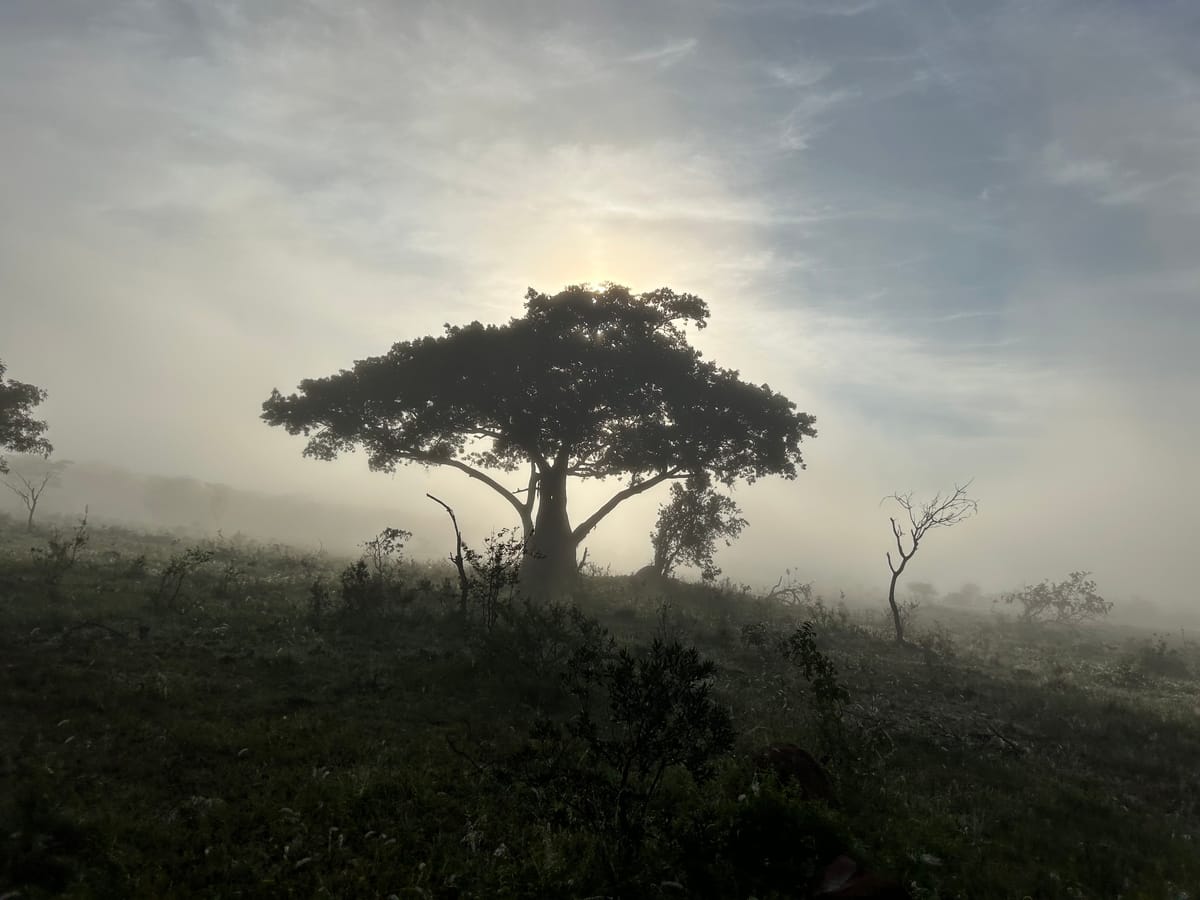
Before going on one myself, when I thought of safaris, I had the same mental picture as the one I presume you have. Dusty, dry, arid landscapes, interspersed with some lions hiding under the shade of a shrivelled tree or a dehydrated-looking elephant.
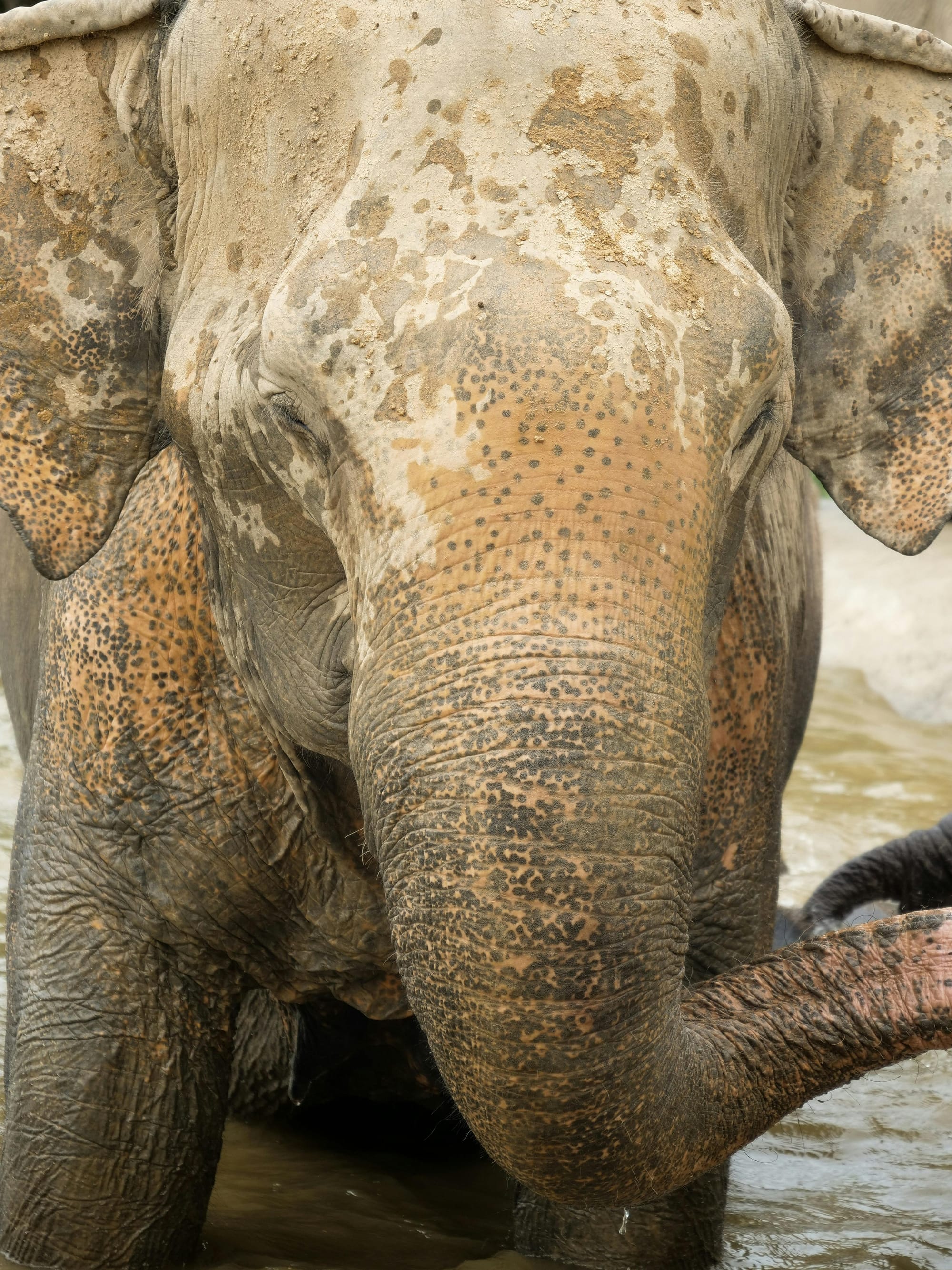
Imagine my surprise, then, when we arrived at Welgevonden Game Reserve in Waterberg and found that it wasn’t so much scorching hot desert as gloriously lush valleys that were teeming with thick bushes and gushing rivers pouring through them. If you can imagine Eden, it wasn’t far off.
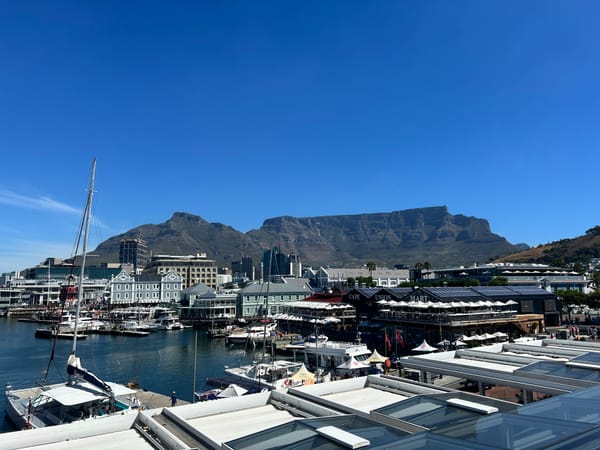
As with South Africa more generally, we had decided to add a safari as a “bolt-on” to our travel plans, but we quickly realised that there was a reason why safaris are so popular.
Our journey to Welgevonden was a long one, a three-hour drive by shuttle from Johannesburg. A quick sidebar about Johannesburg - we met plenty of South Africans both in Cape Town and on safari, and pretty much all of them said that Johannesburg was a pretty miserable place for tourists. This was especially true of the couple we met who lived there, who told us that, “There’s nothing to do,” and “Don’t go out at night by yourselves.” Based on this feedback, we never really ventured out of our hotel in Sandton, but it’s worth knowing that while it’s a gateway to safaris towards the North and Northwest of the country there’s not a huge amount to do there except, if the locals are to be believed, get mugged.
But after our three-hour drive we arrived at Welgevonden gate, where we were met by Mojela, who was to be our guide throughout our safari.
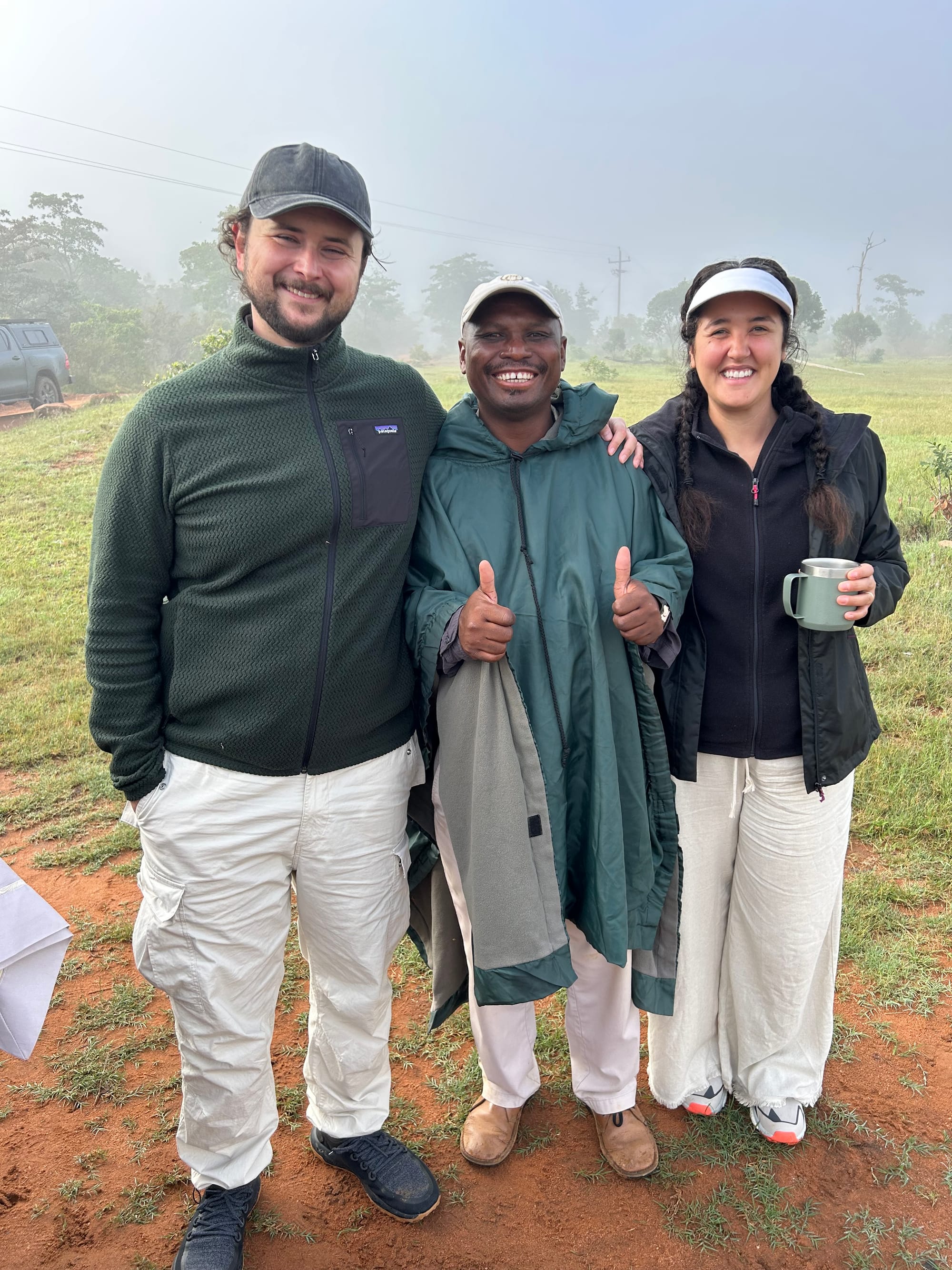
It’s hard to put into words how wonderful Mojela was - a man who had started life on the reserve as a construction worker, helping to build the roads and lodges that are scattered around the area, before being encouraged by a good manager to take the test to become a ranger and guide. 17 years after that test, he was still working on the Welgevonden reserve, and on every single game drive he looked utterly delighted to be there, even if there weren’t many animals out.
It was obvious that he was hugely respected by the other guides, and when we passed other drivers they’d always stop to ask him for advice, ask how we was, and usually share a laugh - apparently Mojela owes every driver in the game reserve a beer, which seems impossible but who knows what rangers do in their downtime. Mojela’s motto was, “Never give up”, which led to some incredible sightings and moments we will never forget.
But I’m getting ahead of myself. We arrived at Clifftop Lodge, which was a small oasis in the middle of a vast valley, and from our lodge we could hear a flowing stream and birdsong, which only added to the sense of paradise. We also had a thatched roof, from which at one point appeared a small squirrel that tried to make its way into our room. I chased it away with a waving of the arms and a typically British, garbled war-cry of “GERROUDOVIT YOU BASTARD” and that seemed to do the trick.
We also had some baboons occasionally make their way onto the roof, but they seemed to be more interested in picking nits off each other and waggling their disgusting bottoms at passers-by to do any significant damage.
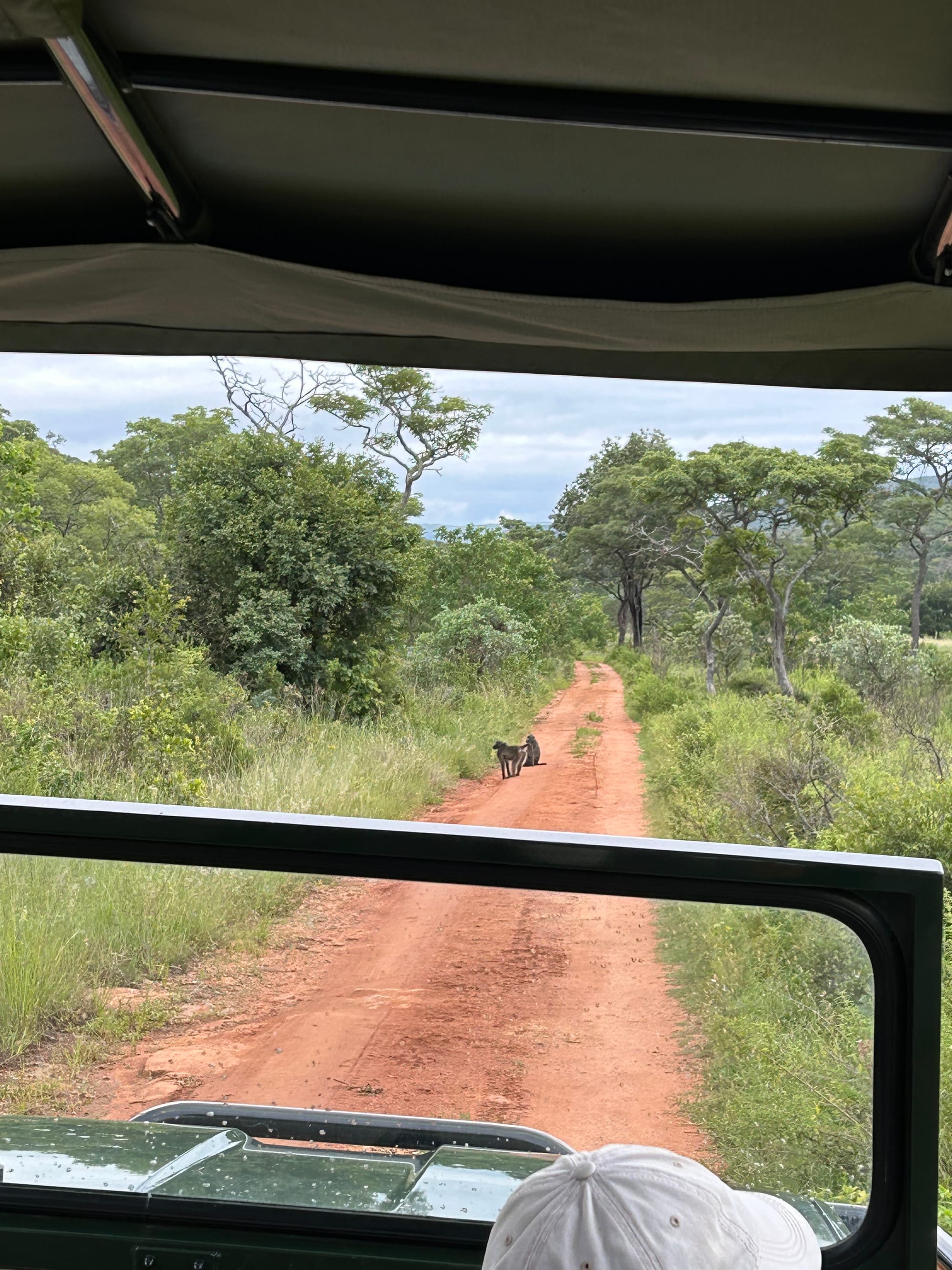
Twice a day, we went on game drives - the evening drive at 4pm, the morning drive at 5.30am. I want to make it clear that I am not a morning person, and 5.30 in the morning feels like an almost blasphemous time to be awake. To compound matters, I had also picked up my first predictable virus of the trip, which meant that I had quite a nasty cough and an iffy stomach. These symptoms are not conducive to game drives, as they largely consist of sitting in a canvas-topped 4x4 as you drive over what can only be described as spine-shattering terrain.
However, I’m pleased to say that I managed to make it onto every single game drive, and I’m so glad I did. Each one was unique, with different weather, temperatures and routes resulting in us being able to see the “Big 5”: elephants, rhinos, lions, buffalo, and even leopards. It was helped by the fact that, despite my moaning, our 4x4 had a suspension that could make a drive over the craggiest terrain feel like a serene drive through the Cotswolds. It even had heated seats - so in reality, it was quite a luxurious experience.
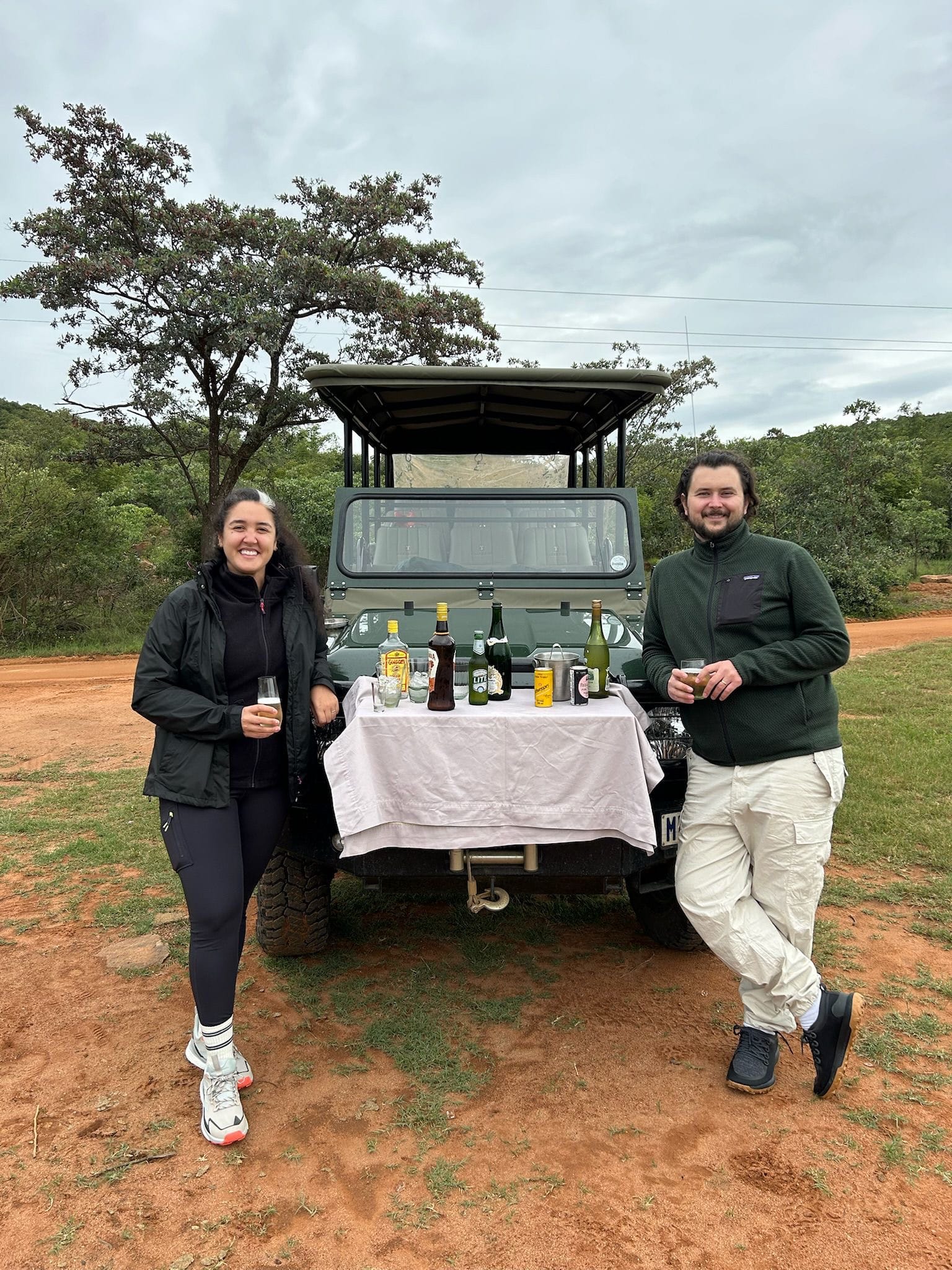
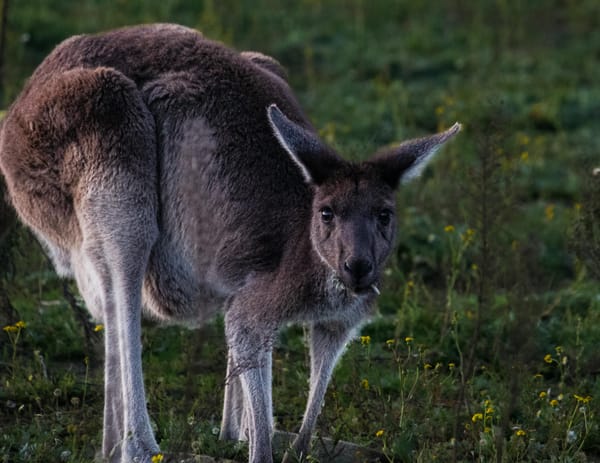
Our first drive was supposedly not a great one, but for us was completely magical. We saw warthogs…
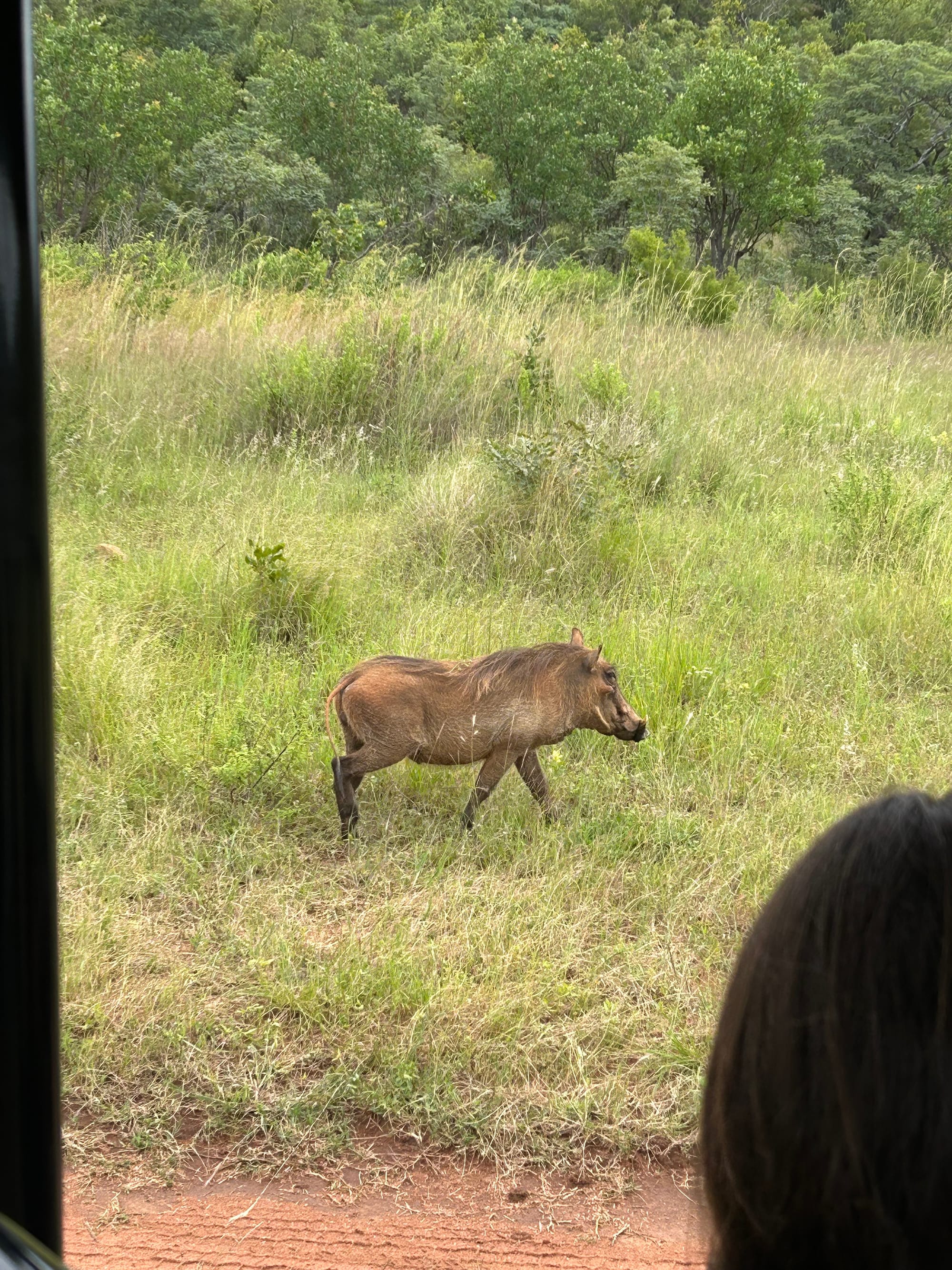
Impala…
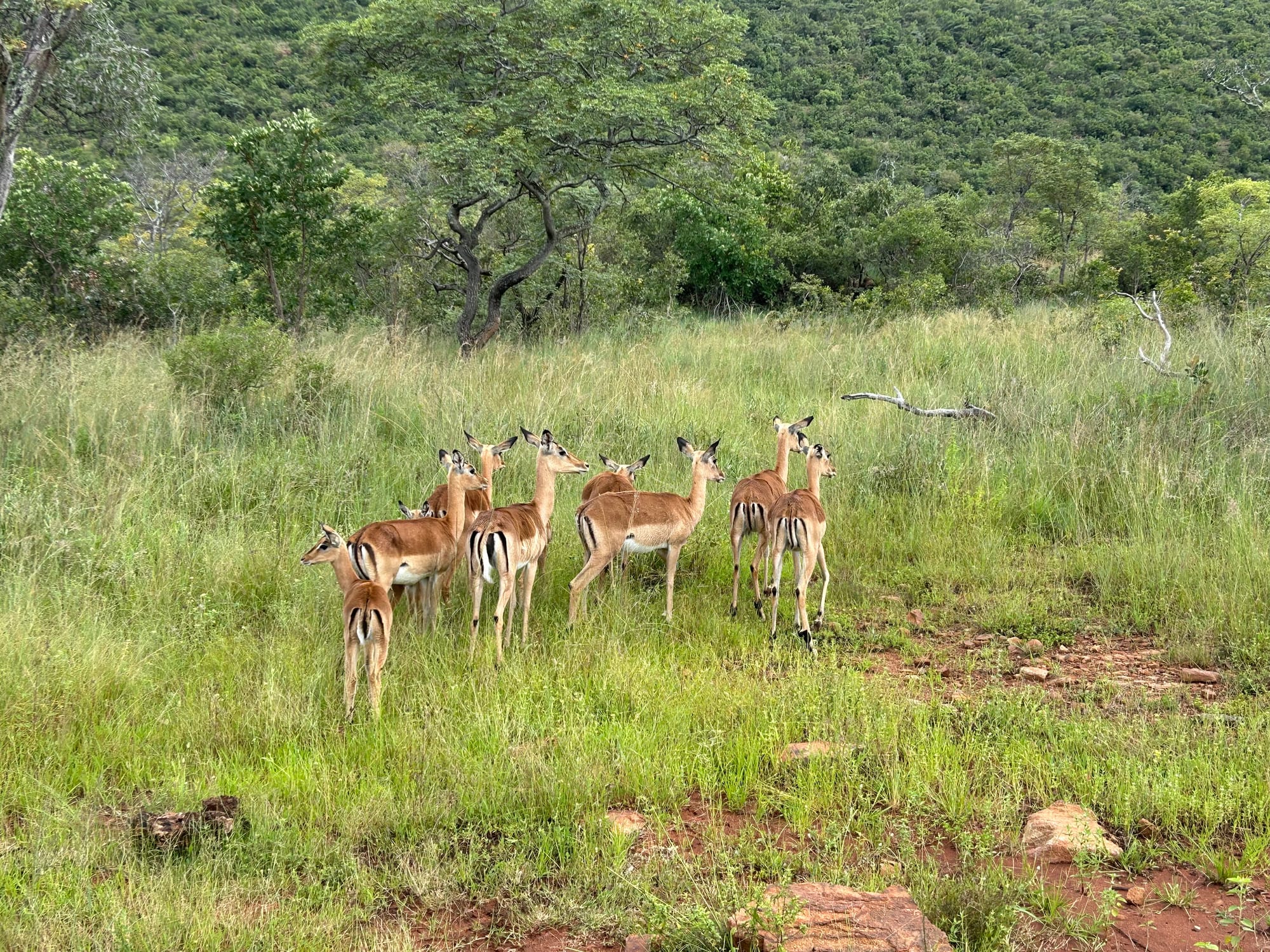
Zebra…
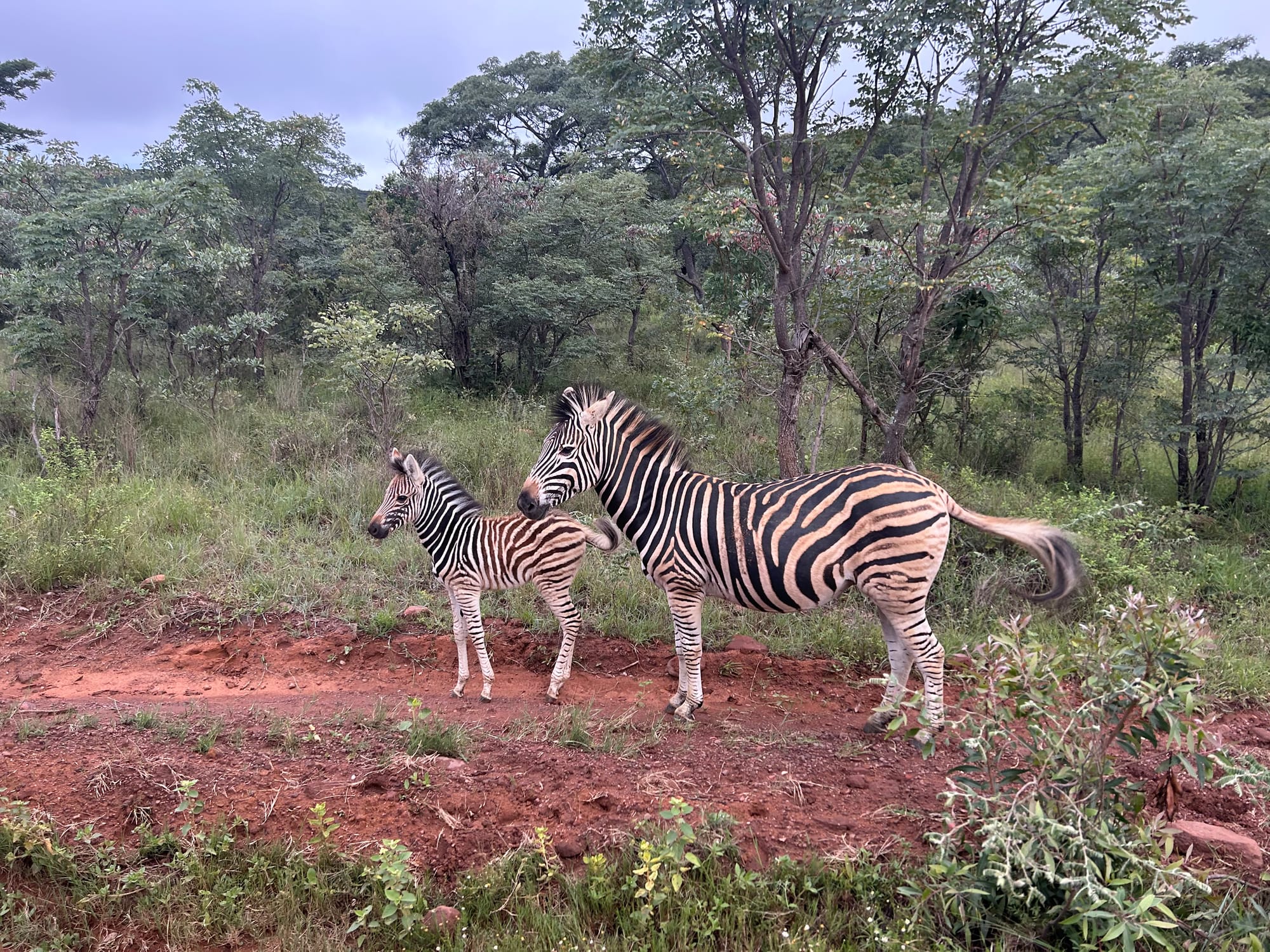
And even a rhino - which in my mind was a magical, mythical creature, but apparently in Welgevonden they’re dime-a-dozen.
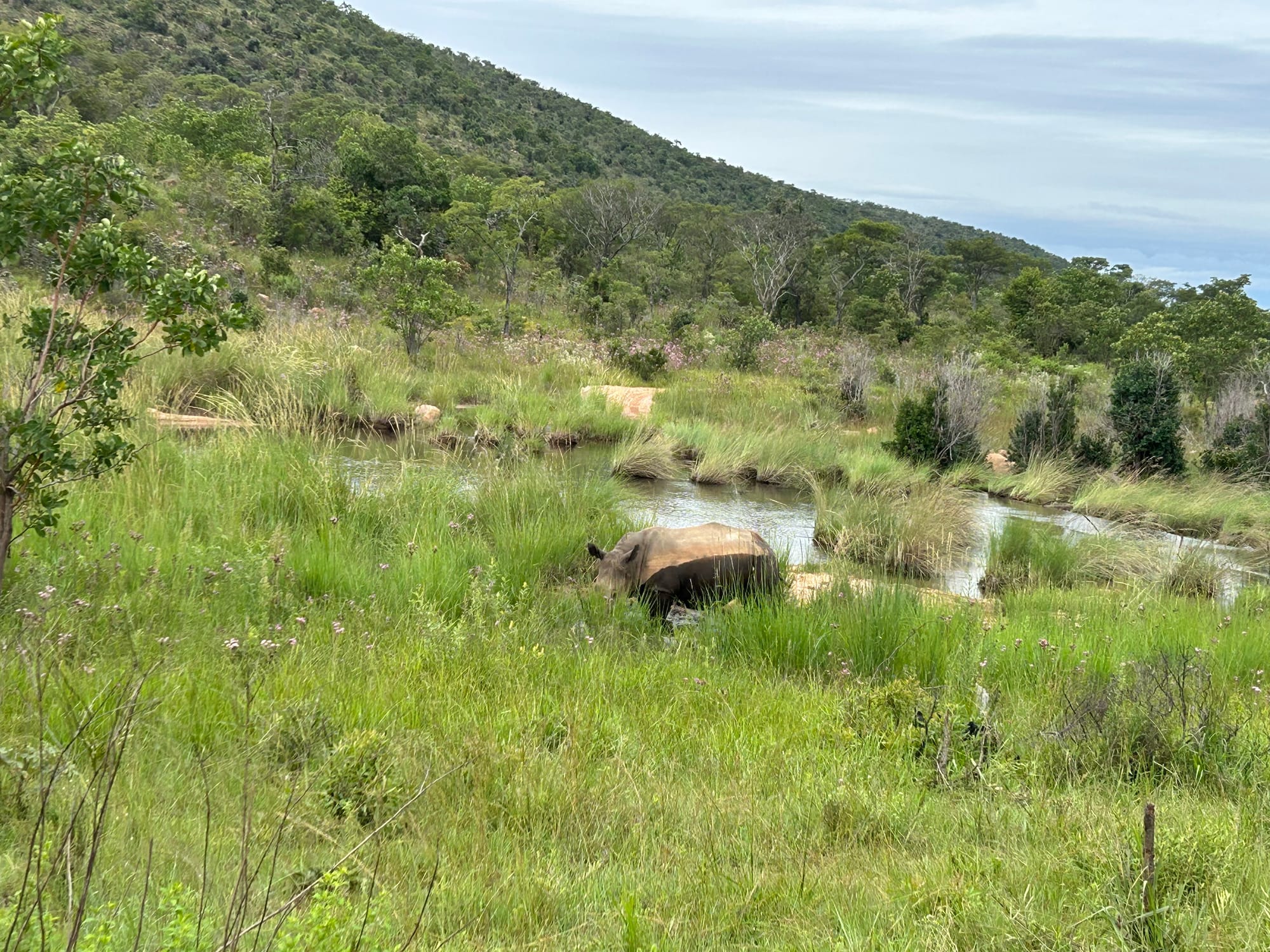
Perhaps the loveliest thing about every rhino we saw was that they all still had their horns - it’s common for rhinos in other reserves to have their horns removed to make them less enticing for poachers, but the level of security and safety that these fellas had meant that they were safe to be left intact. South Africa has worked extremely hard on its anti-poaching regulation, and thankfully it seems to be working.
Our first morning game drive was, for the first two hours, a bit of a bust. The weather wasn’t great, there weren’t many animals out, and we drove around the reserve without seeing much. However, after our coffee break, Mojela got word on the radio that there was a leopard in a prime spot for a sighting, so we downed our coffees, threw ourselves back onto the RV, and hurtled off in the direction of the report. Usually, you’re driven around at a gentle 10-15mph so you can keep an eye out for wildlife - not this time. This time, we absolutely caned it down the bumpy tracks as Mojela reassuringly called out, “JUST HOLD ON” as we hit a hairpin bend at a good 30mph.
In the end, though, the white-knuckle ride was worth it. We found a few other cars stationary by the junction that led back to our lodge, obviously looking at something, and then we saw it, too - the most beautiful leopard relaxing on a rock. For my wife, whose favourite animal is the leopard, this was a deeply profound moment. My input to the profundity of the moment was to repeatedly mutter “Jesus Christ” to myself as I watched this apex predator go about its day, occasionally turning to look at each of the cars filled with phone-wielding tourists and looking a bit baffled as to why everyone was so interested in him.
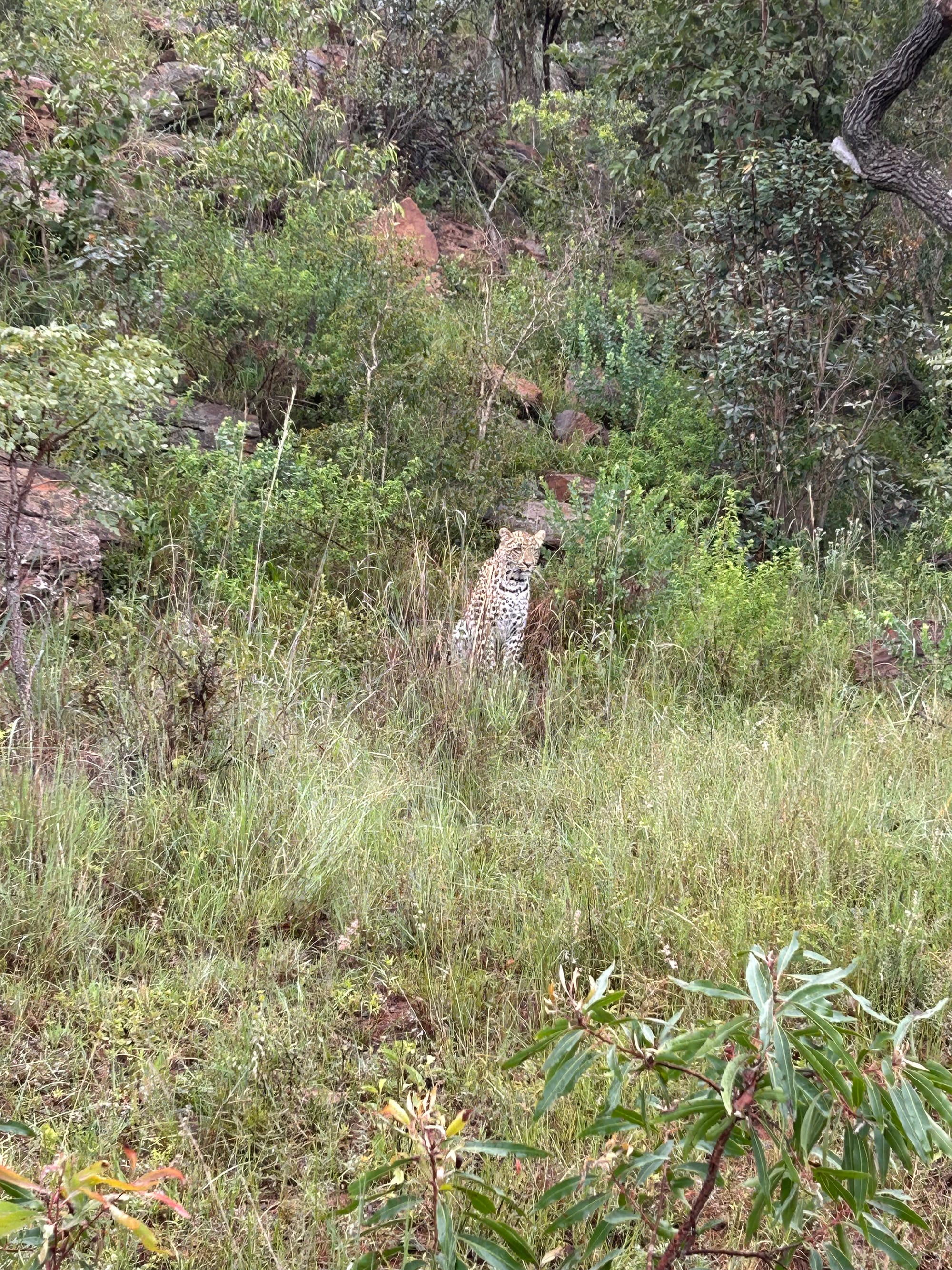
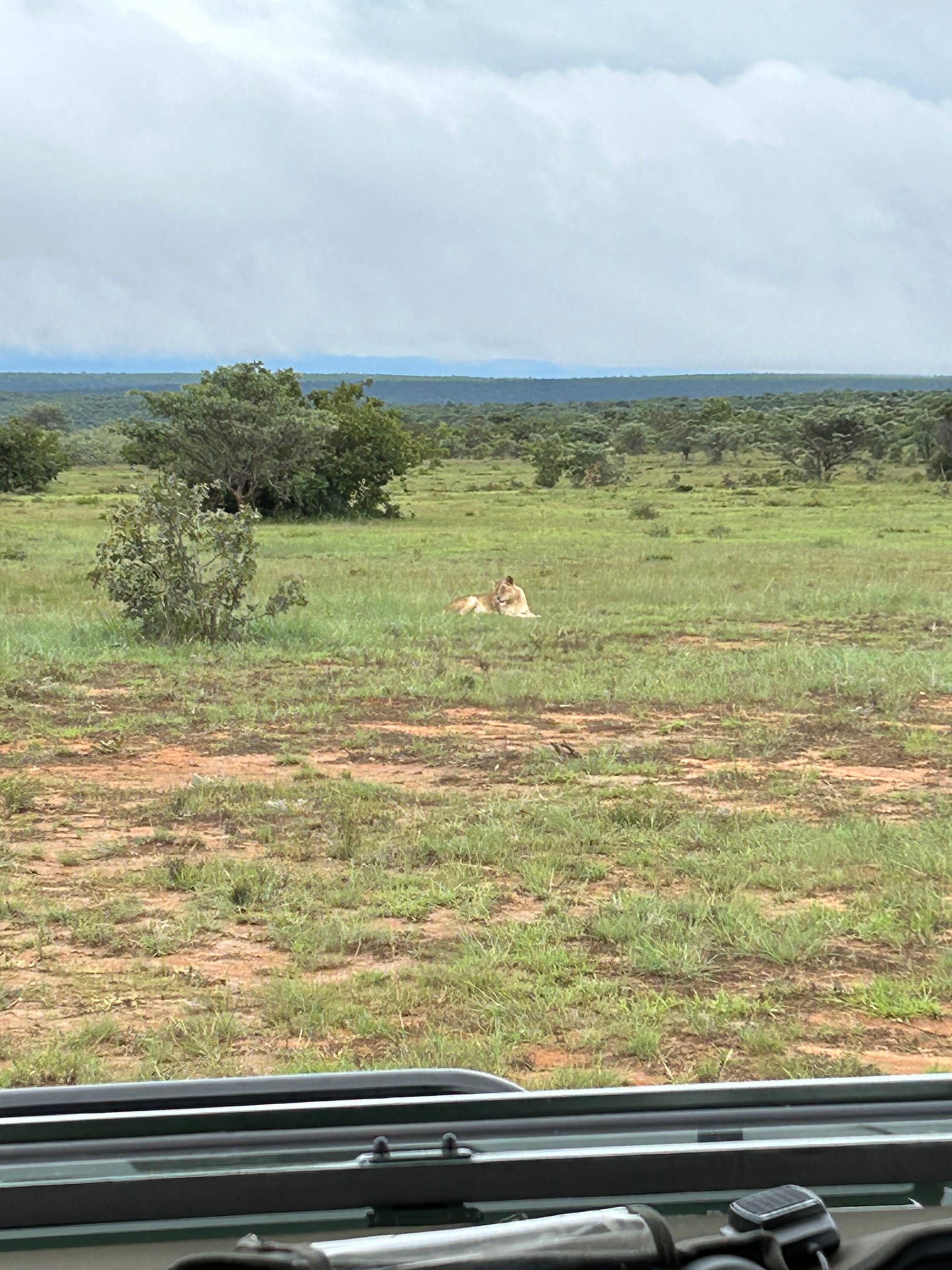
It was the first of many other such moments. Over the remaining two days, we saw hippos (sadly not pictured), lions…
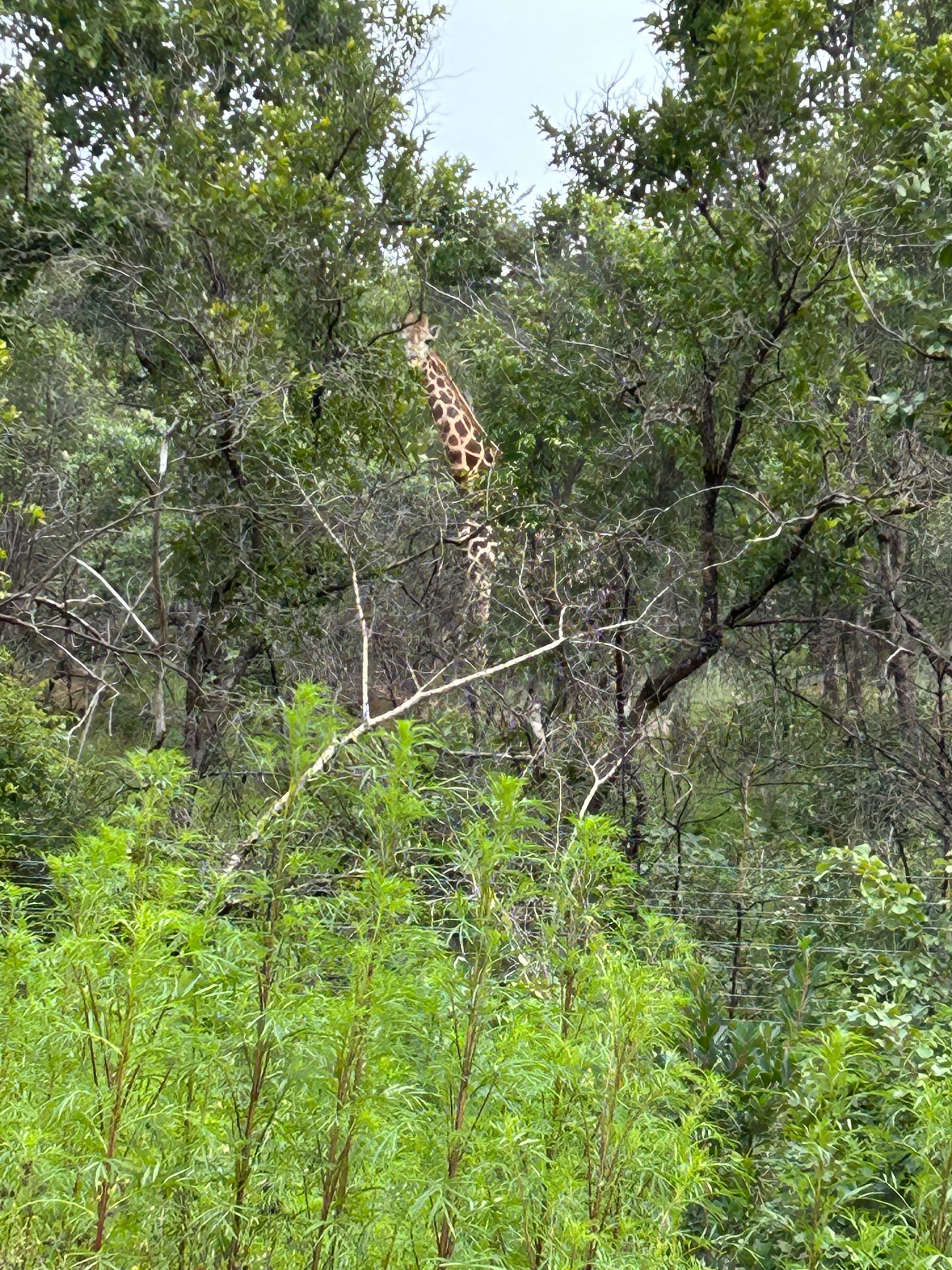
Giraffes…
And elephants, including a local celebrity called Bruce who had a proclivity for flipping vehicles (thankfully ours looked too uninteresting / heavy for him that day).
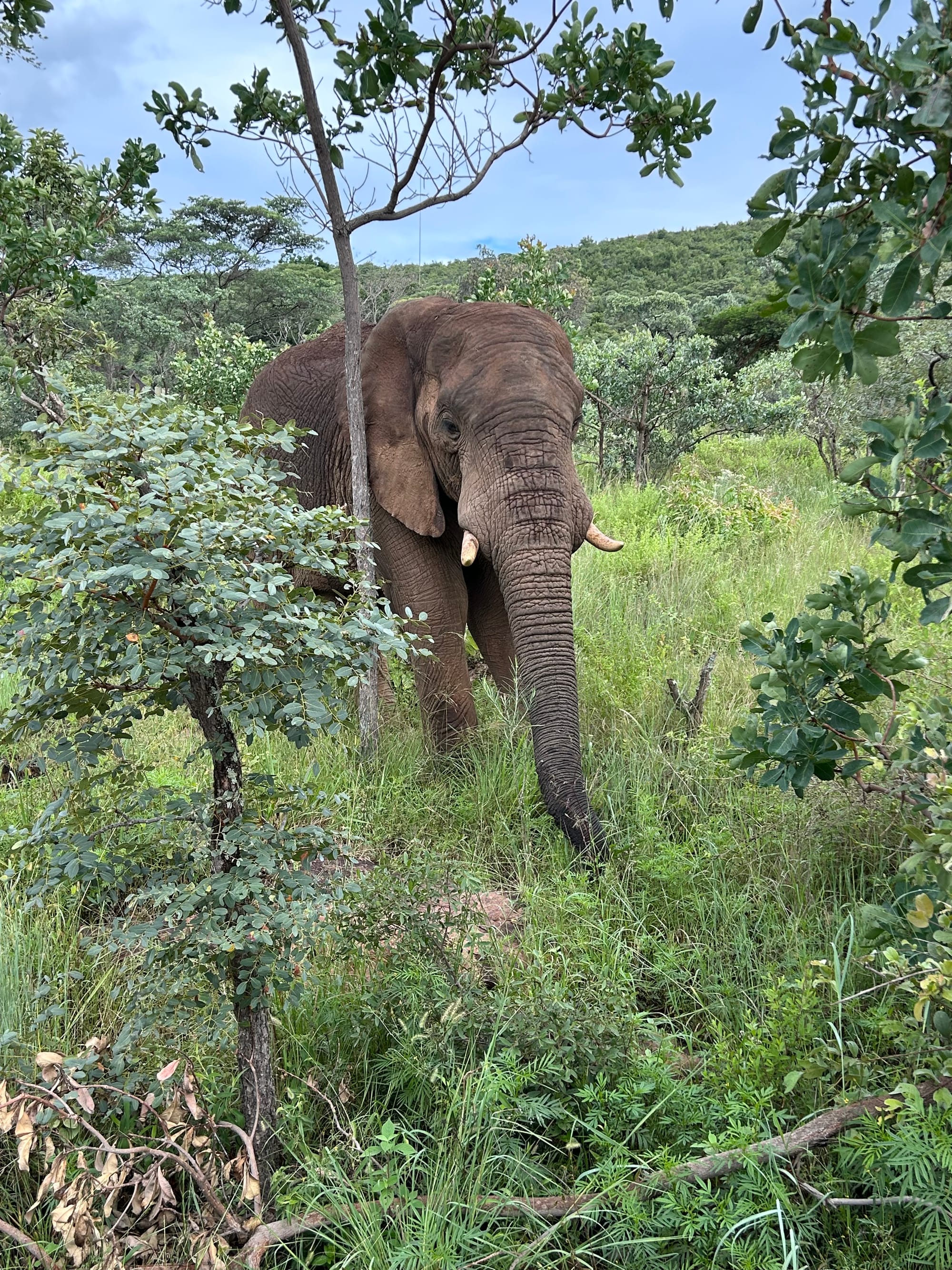
It was an incredible few days, and, having not quite seen the appeal before, our experience made me recognise that there really is nothing quite like seeing animals, especially rare or exotic ones, in their natural habitats, rather than cooped up in zoos. I cannot recommend it enough if you’ve never been - it is an absolutely magical experience.
A final note for would-be safari-goers - we went in January, which is the height of Summer in South Africa. This means rainy season and lush vegetation, and we were lucky to see the Big 5, as when the brush is high it’s much harder to spot anything. We once stopped for a brief moment by an innocuous, relatively thin tree and I nearly had a heart attack when a nervous zebra bolted from behind it - despite being less than five feet away, I simply had not seen it. In September and October, the brush comes down and it’s easier to spot the wildlife, so this is worth bearing in mind. However, it’s also much drier, much hotter, and takes more of a toll on you physically, so po-tay-to, po-tah-to.
But eventually, our time in Welgevonden came to an end. After another tedious three-hour drive back to Johannesburg, we prepared ourselves for the next leg of the journey - a flight to Sydney. We said our mental goodbyes to Africa, vowed to return, and set off, forgetting to do our e-visas until we were at the airport, causing a semi-major meltdown that was thankfully resolved by a burly Australian border force agent called Richard.
All part of the magic of travelling.