Cape Town
The Big Two on my travel bucket list were always, unquestionably, New Zealand and Japan.
Being a bit of a bumpkin at heart, I love being outside. I have frequently been told I have “Golden Retriever Energy”, and I choose to accept this statement as being happy on walks and enjoying nature, rather than generally being a bit stinky and having a propensity for chasing cars. It stands to reason, then, that New Zealand would be of interest - vast open plains, snow-capped mountains scratching at the horizon, crystal clear lakes and vast green forests - if there is a heaven, then for me, it’s probably there. As with many, I was first introduced to the landscape by The Lord of the Rings trilogy, all filmed across both North and South islands, back in 2011. Ever since then, it’s been top of the list.
A very close second, Japan’s scenery is of course iconic, too, but for me the appeal is in the history and culture. It’s a bit of a lazy stereotype to picture the slightly sweaty nerd with his mounted samurai sword fawning over endless manga strips and anime cartoons, but I was very much that nerd growing up (I even have the steampunk samurai sword to show for it, bought with my first pay slip aged 17 and before I realised that money could be better invested in savings accounts and pub gardens). Now at 34, the art and food interest me far more than martial arts films. The combined picture of Japan, with its temples, onsens, serene forests and lakes (and maybe still a bit of dweeby Samurai fandom) has always been incredibly alluring.
When we planned our round the world trip, my wife and I built our itinerary around these two countries. Initially we were going to start with a brief stopover in South America, but an invitation to a friend’s wedding in Cape Town made us reevaluate. We’d never really stopped to consider Africa, and given my weakened immune system following my stem cell transplant, perhaps unfairly (or even prejudicially) I had assumed that it was too much of a developing continent for me to travel there safely.
When discussing my travels plans, my doctor even asked me if I was planning on going to an area at risk of malaria, which put the heebiegeebies up me a bit - if that was the only issue, then surely Africa wasn’t a great idea?
To be fair, he then specified that he meant the Congo, and I felt quite pleased that my doctor thought that me enough of an Indiana Jones to contemplate venturing into the deepest, darkest parts of the world.
But the anxiety remained. Was South Africa a good idea?
I’m pleased to say that both South Africa, and Cape Town in particular, were profoundly eye-opening, and I regret not having gone sooner.
The first thing to like about Cape Town is the time difference. A two-hour leap forward from London, especially with an overnight flight landing at midday local time, meant we landed without the usual bleary-eyed grumpiness that usually follows long-haul flying. It all felt extremely civilised - we easily found an Uber (which cost absolute peanuts in South Africa and are highly recommended over local, often undocumented cab drivers) and got to our AirBnB within 30 minutes. The flat itself was nice, slap bang in the middle of the Central Business District (CBD) but we did fail to notice on booking that it had no air conditioning.
Not sure if you’ve heard, but Africa isn’t exactly known for its temporarate climes, especially in the Summer. It was a bit of an oversight.
We also quickly came to understand a crucial aspect to Cape Town - just two blocks makes a huge difference. Whether this is architecture, types of businesses, or indeed types of people, after the shortest of walks you’ll find yourself somewhere that feels totally different. Our flat was on the corner of Hout Street and Burg Street and unfortunately this did seem to be a bit of a conflagration point for some of the local homeless community. We were followed on several occasions and had to keep our wits about us, but we quickly learned that if we set off looking like we knew where we were going (which we usually didn’t) it tended to resolve itself within a minute or two - you can find fluorescent tabard-wearing “Community Support” Officers wielding batons on every other street corner, and they do intervene if trouble is brewing.
Putting the travelling hat on, we can simply say that we were staying in a vibrant area - and no harm was done. I wouldn’t have liked the idea of my wife walking there on her own, though, and getting cabs everywhere after dark, even short distances, is recommended. The wealth disparity between black and white South Africans is stark and prominent, and for a city with a such a history of political and social divides it’s perhaps not surprising that an economic one remains noticeably in place. The District Six museum was a particularly eye-opening reminder of the barbarity of Apartheid, and while it’s clear that significant progress has been made, the socioeconomic fallout of such protracted division is still highly present in Cape Town.
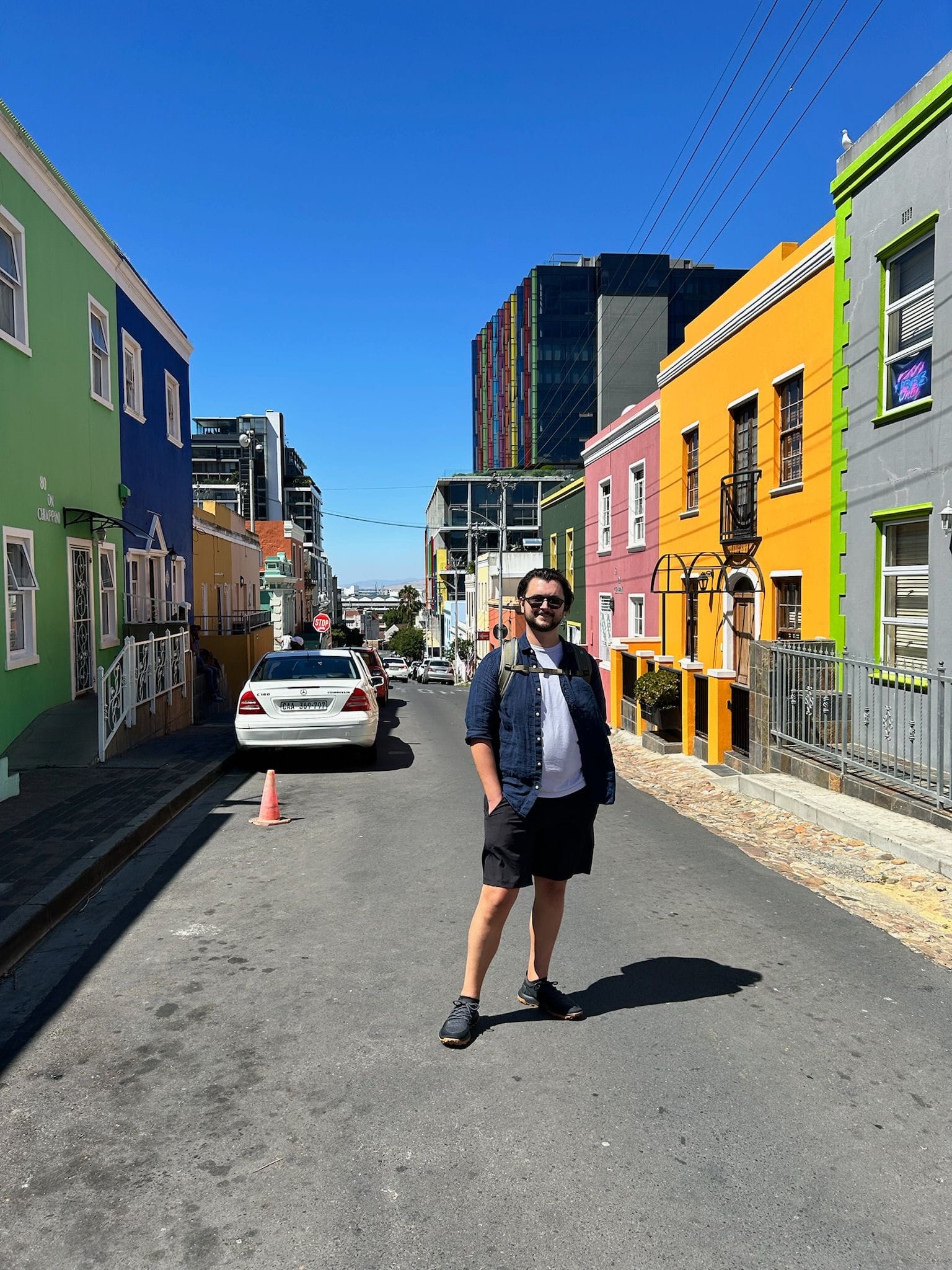
But onto sunnier matters, and the city itself is teeming with life and goings on. The beautiful, vibrantly coloured houses of Bo Kaap…
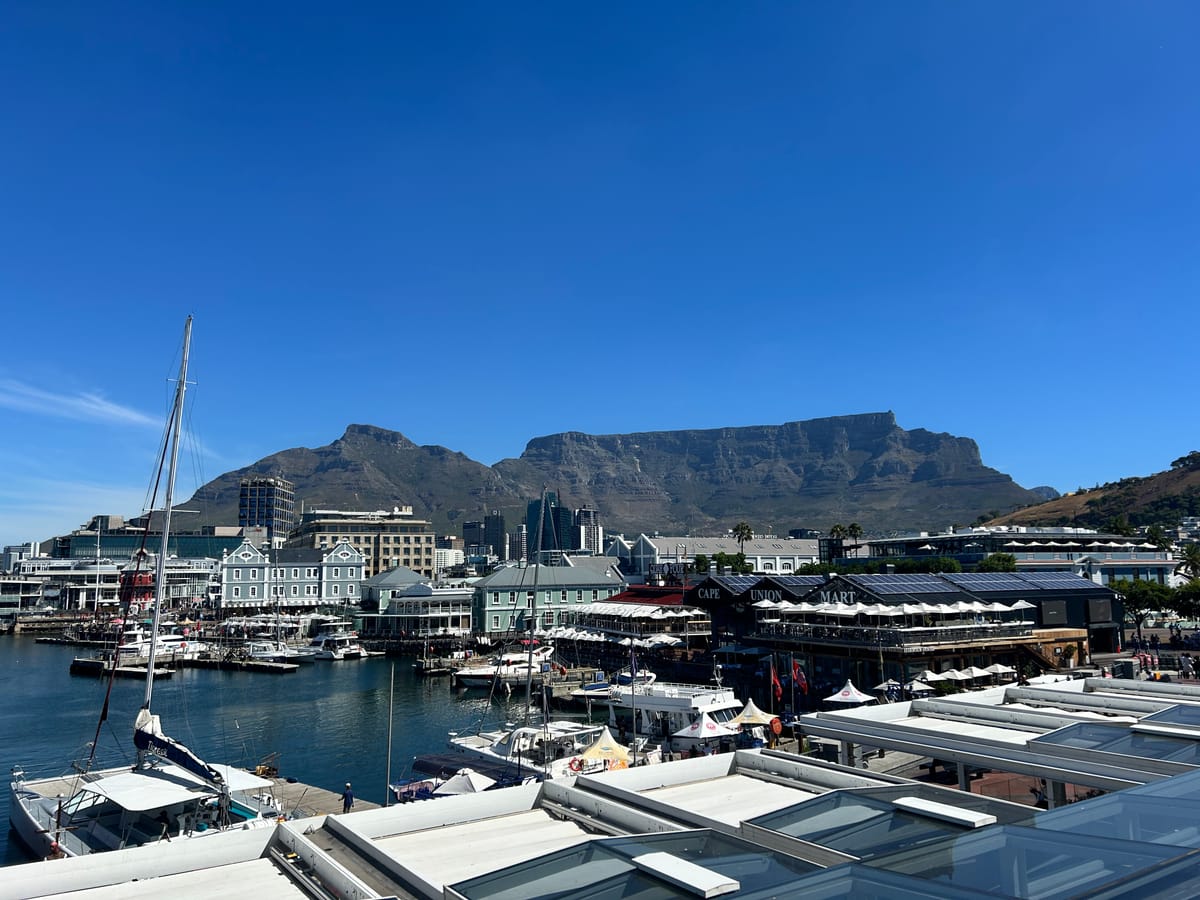
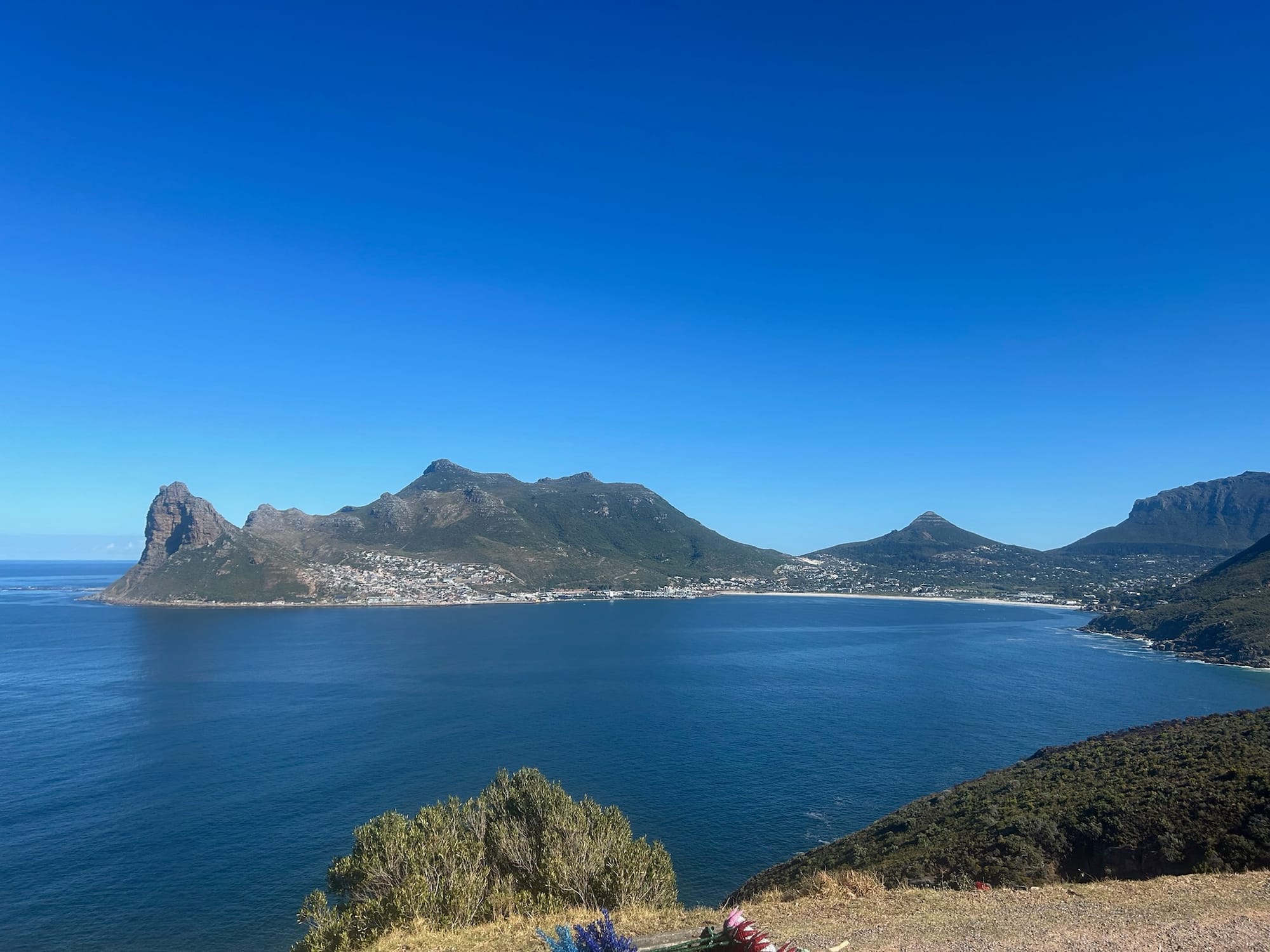
…The bougie cocktail bars and eateries of the northwest CBD; the stunning V&A Waterfront. All completely feel completely different but fabulous in their own way. The looming plateau of Table Mountain watches over the city, and provides a stunning backdrop that can be seen from most areas. Away from the main city, a short twenty-minute cab ride away, Cape Point feels like Beverley Hills - villas overlooking the ocean, a vast, white sand beach, and coffee shops packed with Lycra-wearing cyclists out for an early pick-me-up.
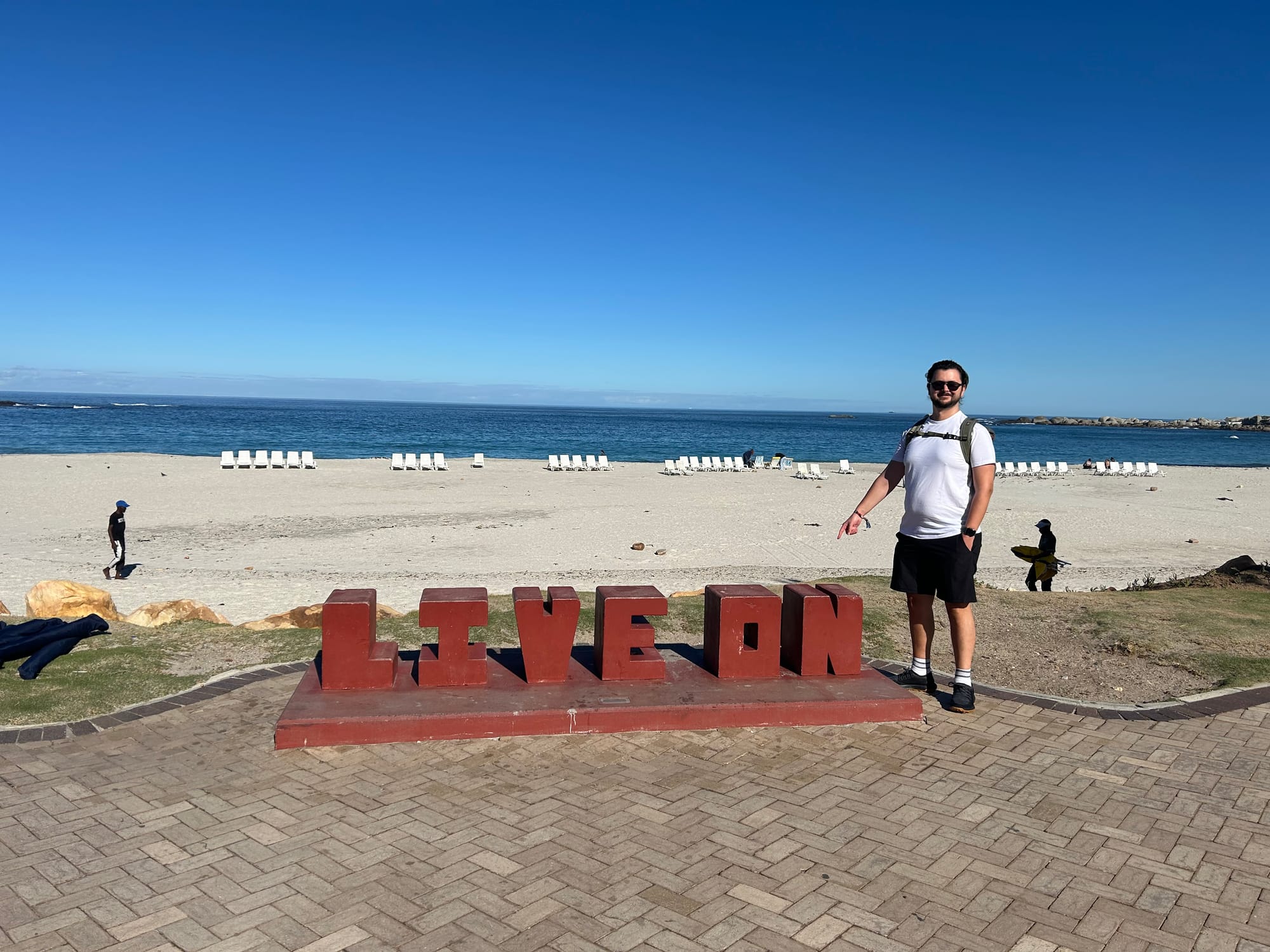
Ultimately, it’s easy to see why such a wide array of professionals from Europe, the US, South America and the East all choose to emigrate to Cape Town. It’s a beautiful city, startlingly cheap for the quality of food, and has plenty of jobs available (despite overall unemployment in South Africa sitting at a pretty grim 32%).
And as a tourist, there’s plenty to do, too. We were meant to hike up Table Mountain though were *cough* “dissuaded by the cloudy weather” (and went on a bar crawl instead), though on a sunny day the views are incredible, and there is a gondola option from the base of the mountain if your adventure legs are feeling a little achy at the idea of a 2-hour hike.
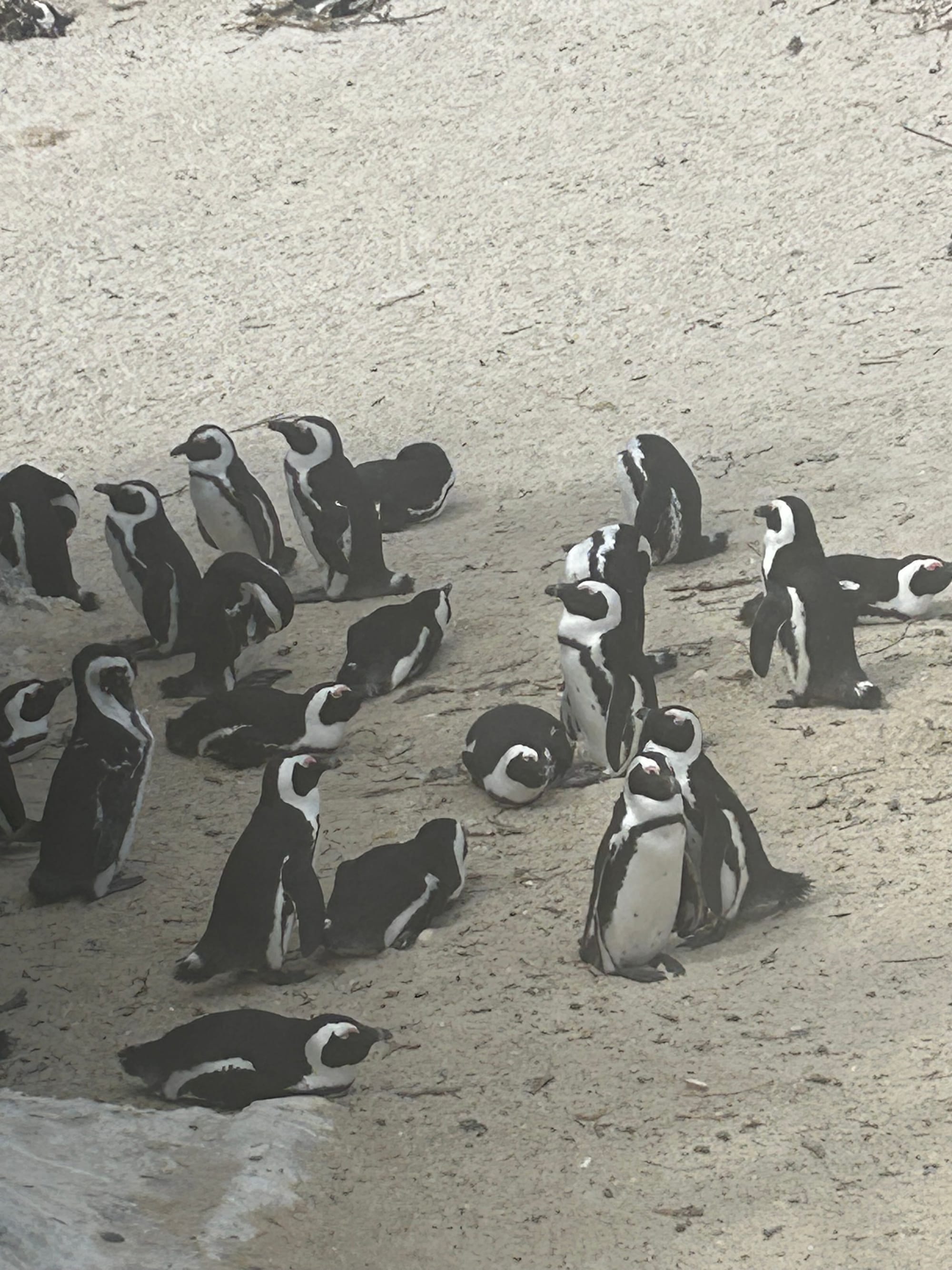
A trip to Boulder’s Bay to meet the local colony of African Penguins is also highly recommended - they’re absolutely adorable, but hoo boy do you smell them before you see them.
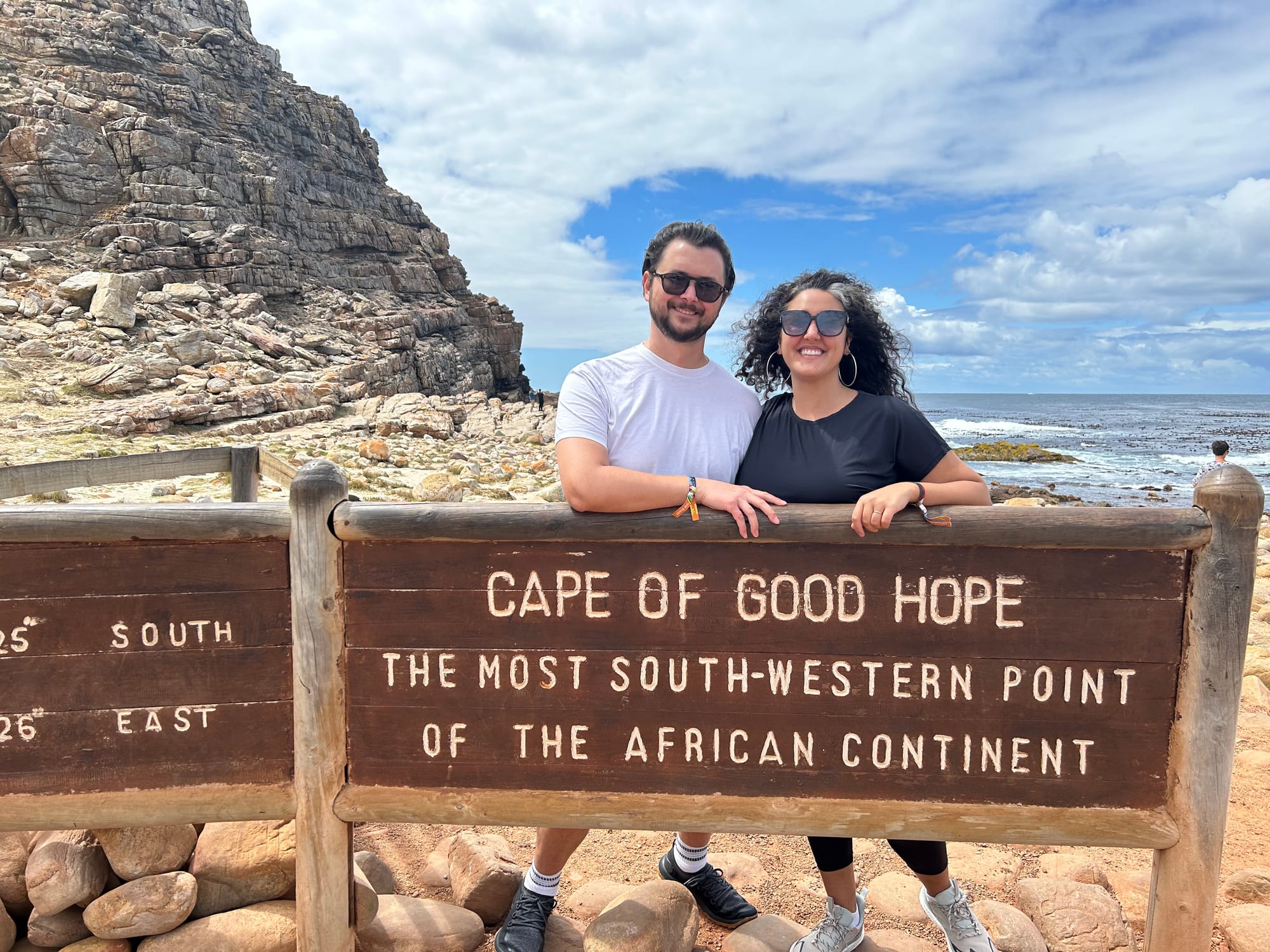
From there, it’s a short drive to the Cape of Good Hope, the most southwesterly point of Africa…
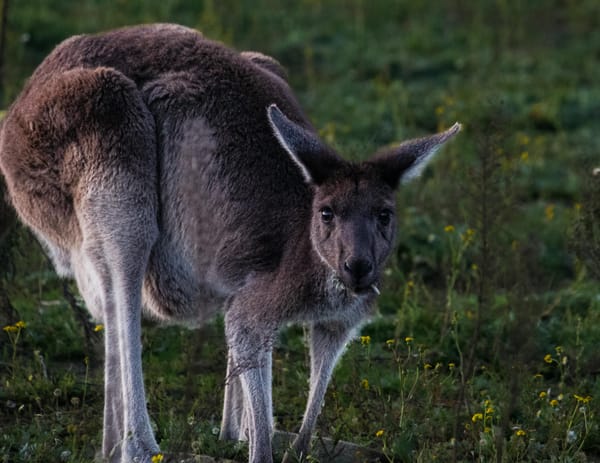
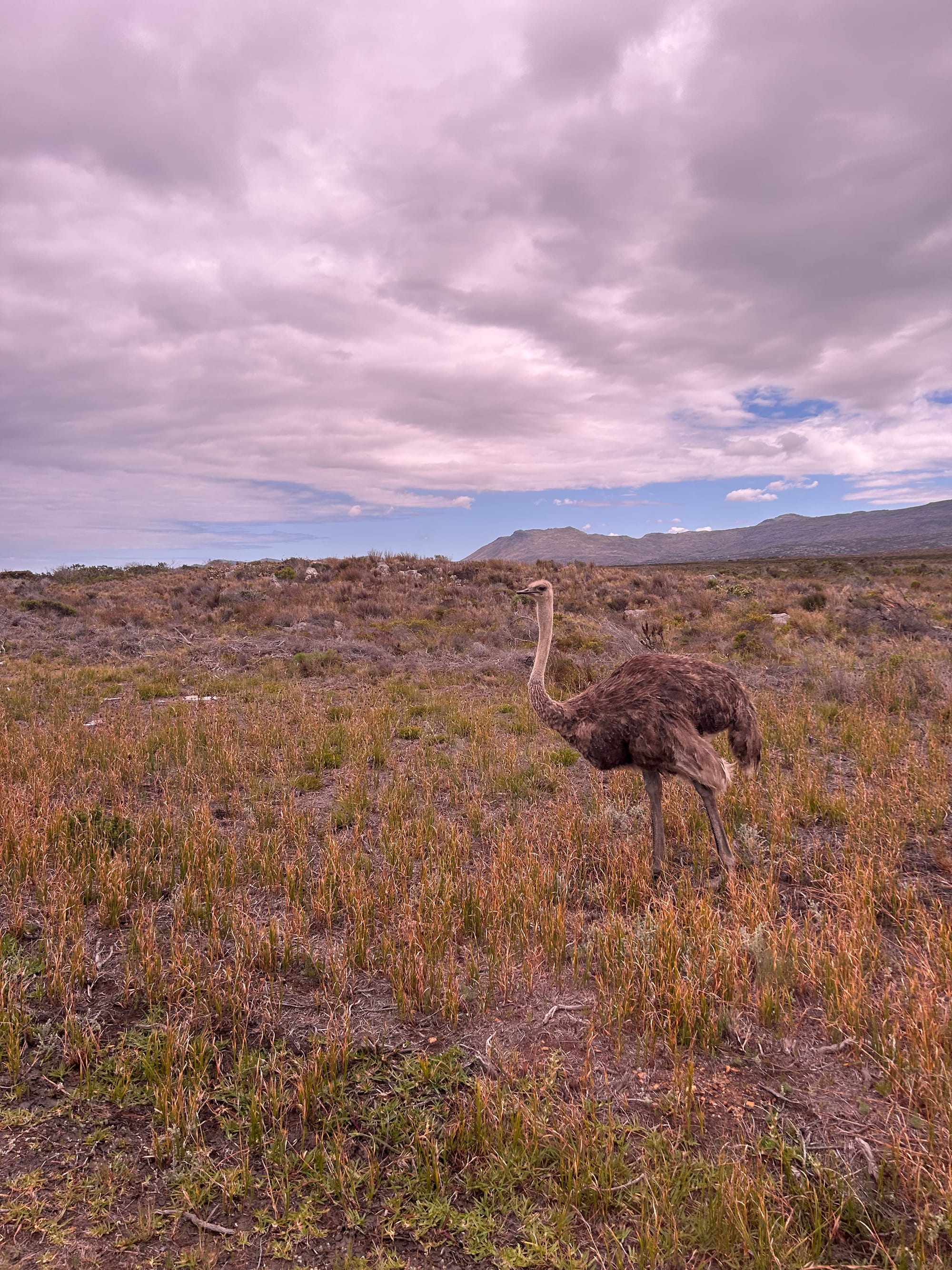
…and the wildlife reserve there can throw up a few surprises, too.
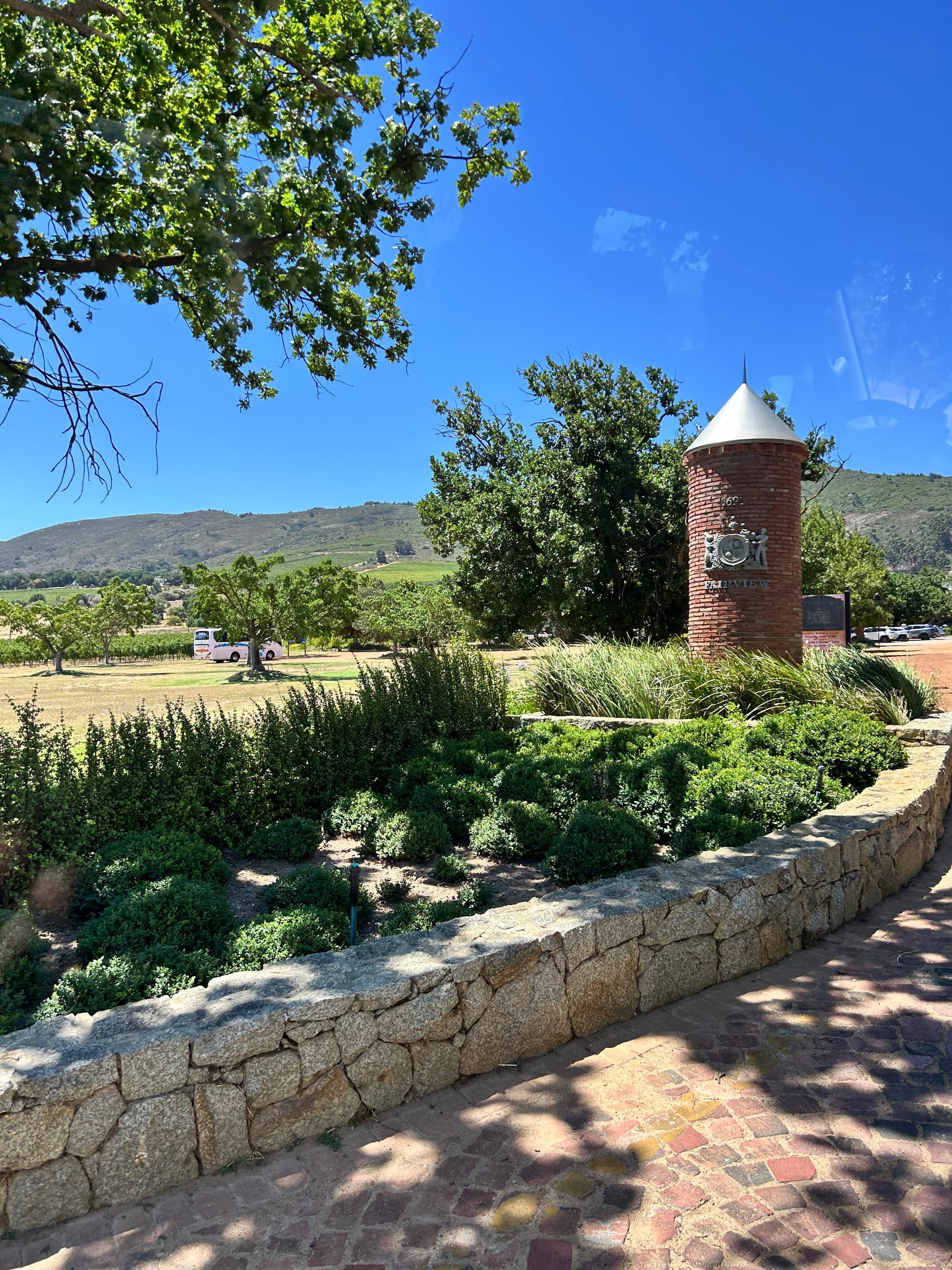
And of course if, like me, you’re a borderline alcoholic (and with the state of the world at the moment, who wouldn’t be), the nearby wine regions of Stellenbosch and Franschhoek are well worth your time, too. GetYourGuide and Viator run tours that pick you up in Cape Town and take you for wine tasting sessions, then get you home again to sleep it off before you can say “Why did I decide to try all three dessert wines, too.”
And finally, while Cape Town is renowned as “The City of Four Seasons” because it can sometimes experience them all in one day, the weather we got in January was glorious - mid 20s, sun with occasional cloud, and a cool sea breeze kept the city from overheating. Weather isn’t the most important part of travelling… but let’s be honest, when you’re escaping England in January, anywhere that isn’t four degrees and drizzling is an improvement.
In short, Cape Town is amazing.
It’s a city of contrasts, for sure. It is sometimes hard to see beyond the wealth disparity, and some areas (like most major cities), can be a little rough around the edges, but there are plenty of areas that feel safe, fun and vibrant, and the sheer amount of high-quality restaurants, bars and things to do make it a fantastic holiday destination. It was an excellent place to start our adventure, and set us up nicely for what comes next.
After the (unforgettable) wedding, we said our goodbyes to Cape Town and flew to Johannesburg for another African staple - safari.
Would we see an elephant? Would we regret going during the rainy season? Would the only malaria-ridden mosquito in South Africa (a largely malaria-free country) get a whiff of my immunocompromised scent on the wind, hunt me down, and end our adventure before it had even begun?
We will find out next time.